Habitat Credits and Hard Rock: The New Diligence Map for UK Quarries
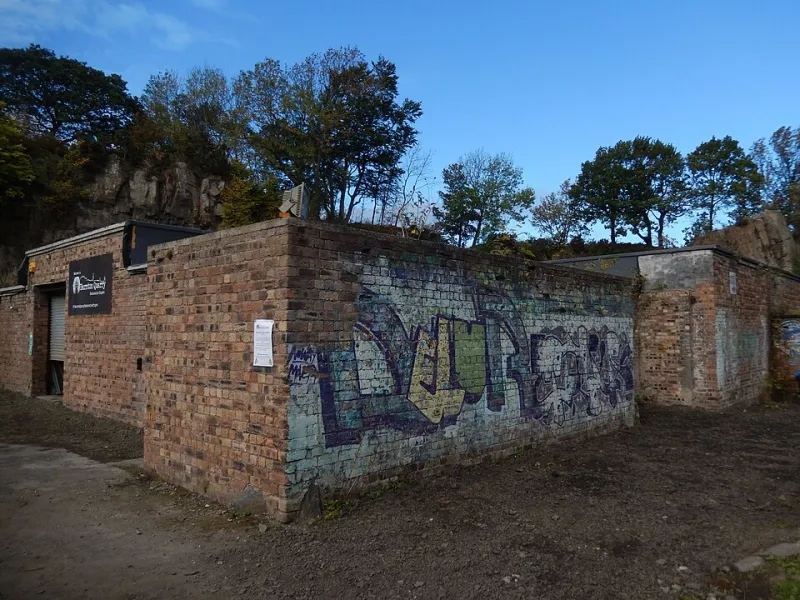
Photo: AlasdairW, CC BY-SA 3.0, via Wikimedia Commons
Biodiversity net gain has become part of the planning system in England, and for UK aggregate operators it is no longer a footnote to restoration. Quarries consume land, disturb habitats and hold long restoration liabilities. They also control large areas where habitat can be created, managed and, in principle, sold as biodiversity units. That combination is turning BNG from a compliance cost into a potential revenue line and a new diligence risk.
The opportunity is real but uneven. A quarry is not automatically a habitat bank. The credits must be additional, measurable, enforceable and in demand. Directors need to separate genuine long-term value from a green narrative that will not survive planning scrutiny or an auditor's questions.
Why aggregate sites are different
Aggregate extraction is temporary. The site is worked out, restored and eventually managed. BNG fits that cycle because restoration can be designed to deliver a significant gain in habitat condition. But the baseline matters. If existing planning conditions already require restoration to a certain standard, an operator cannot claim that same work as new BNG without careful analysis.
The statutory hierarchy requires developers to avoid and mitigate harm before buying compensation. For quarry operators, the most valuable BNG opportunities often sit off-site or in phased restoration areas where habitat creation is genuinely additional. The National Biodiversity Gain Register and local nature recovery strategies are becoming the map for where units are needed and where they can be supplied.
Pricing habitat credits
Biodiversity units are not a single commodity. Price varies by habitat type, condition, location, scarcity and the terms of the management covenant. Statutory credits sold by the government set a high reference price, but the market for privately supplied units is younger and less transparent. Operators should model a range of outcomes rather than a single headline price.
Revenue can arrive as upfront credit sales, staged payments or management fees over the life of the habitat bank. Against that, the operator must fund establishment, monitoring, 30-year management and contingency. The discount rate matters because many costs arrive before revenue. A project that looks profitable on gross credit value can be marginal once long-term management and enforcement risk are included.
Permissioning upside
For developers, BNG can unlock permissions where on-site delivery is impossible or too costly. Quarry operators with suitable land and restoration expertise can become strategic suppliers of off-site units to housing, commercial and infrastructure projects. That can support planning applications and create a new relationship with local authorities.
But BNG cannot be used to double-count. A habitat created to satisfy a quarry's own restoration condition cannot also be sold to a housebuilder unless the legal and ecological baselines are cleanly separated. Planning obligations, conservation covenants and the gain plan must be consistent. Local planning authorities are becoming more alert to claims that existing restoration is being repackaged as new compensation.
A boardroom diligence checklist
First, baseline integrity. Has the habitat been surveyed to the correct standard, and is the condition assessment defensible? Second, additionality. What would have happened without the BNG project, and is the gain genuinely new? Third, legal enforceability. Is the covenant or planning obligation held by a responsible body for at least 30 years, and who pays if the habitat fails?
Fourth, demand. Is there evidence of local demand from developers, and does the habitat type match the local nature recovery strategy? Fifth, pricing and revenue recognition. Are credits contracted or speculative, and how are payments phased? Sixth, delivery cost. Are establishment, management, monitoring and contingency fully costed? Seventh, governance. Who bears biological failure risk, and how will performance be reported to the board?
Greenwash and the audit trail
The reputational risk is asymmetric. A quarry operator that overstates BNG benefits can damage relationships with planners, investors and local communities. Claims should be tied to registered units, published management plans and independent monitoring. Sustainability reports should distinguish between units sold, units retained for own permissions and habitat created for restoration.
BNG is not a licence to quarry anywhere. It is a market mechanism layered onto a strict mitigation hierarchy. The operators that benefit will be those that treat habitat creation as a long-dated infrastructure asset with biological risk, not as a planning bargaining chip. Credit where it is quarried is possible, but only with a diligence trail that reaches from the survey baseline to the 30-year covenant.