The White Chokepoint: Diligencing UK Quicklime Capacity Beyond the Kiln Gate
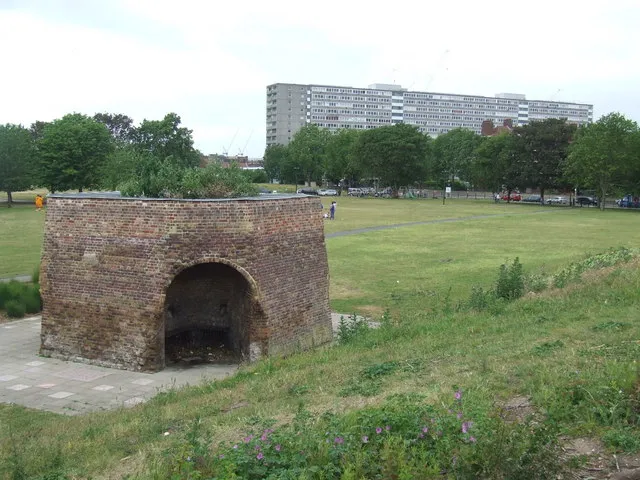
Photo: Malc McDonald , CC BY-SA 2.0, via Wikimedia Commons
Quicklime rarely leads a board pack. It is bulky, awkward to store, chemically reactive and, in volume terms, far less glamorous than the critical minerals that dominate UK resource commentary. Yet calcium oxide sits beneath several systems that business readers already watch closely: drinking-water pH correction and softening, steel slag conditioning, mortar and block manufacture, soil stabilisation and industrial acid neutralisation. When a kiln goes offline or a carbon cost lands awkwardly, the disruption travels quietly through customers that had assumed lime was a commoditised afterthought.
That is the case for treating UK quicklime capacity as a strategic chokepoint rather than a procurement line item. The relevant question for investors and buyers in 2026 is not simply whether limestone exists in Britain. It is whether the right stone, in the right kiln, under the right permit, at the right logistics cost, can continue to serve those customers through a carbon-constrained decade.
A small input with long shadows
Quicklime is made by calcining limestone at high temperature, driving off carbon dioxide to leave calcium oxide. The process is chemically simple and commercially unforgiving. Kilns are capital-intensive, refractory linings wear, fuel choice matters and the product is sensitive to moisture. Quicklime cannot be warehoused like gravel. It wants dry storage, dedicated tankers and customers who understand its reactivity.
The customer base is correspondingly specialised. Water utilities use lime for pH adjustment and softening, where consistency matters more than brand. Steelmakers use lime as a flux and slag conditioner, tying demand to furnace operations and scrap routes. Construction absorbs lime into mortar, plaster, aerated concrete and ground-improvement works. Environmental applications include flue-gas treatment and neutralisation of acidic wastes. Each outlet has different specifications, seasonal patterns and switching costs.
For a diligence team, that diversity is both a strength and a trap. It spreads demand across sectors, but it also means that a single kiln may serve customers with incompatible expectations. A water-grade product is not automatically interchangeable with a construction-grade one. A steel customer may tolerate a different reactivity profile from a mortar producer. The first test is therefore not headline capacity but specification fit.
The supply map starts at the quarry face
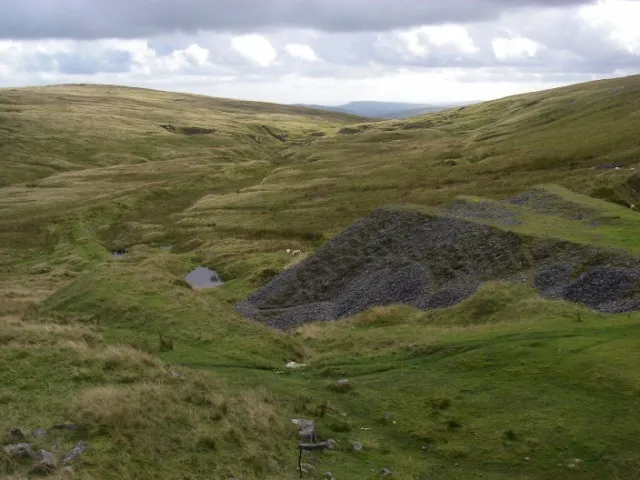
Britain’s lime industry follows the limestone. The Carboniferous limestone belts of Derbyshire, the Yorkshire Dales, North Wales and the Mendips have long supported quarrying and kiln operations, with other assets in Northern Ireland and elsewhere. Proximity to suitable stone is the first constraint; proximity to customers and rail or road links is the second.
Limestone quality is not a binary. Calcium carbonate content, silica, alumina, sulphur and alkali levels all affect kiln performance and product suitability. A reserve that looks adequate in tonnage terms may be constrained by selective mining, blending requirements or variable chemistry across the deposit. Investors should ask how much of the reserve is actually kiln-feed, not simply how much is permitted.
Logistics then narrows the field. Quicklime is low-value per tonne relative to many industrial minerals, so freight is a material share of delivered cost. Rail can matter for large steel and water accounts; road dominates for smaller construction customers. Storage silos, tanker fleets and reload capacity are part of the asset base, even when they sit off the quarry balance sheet. A kiln without reliable outbound logistics is a stranded asset with a chimney.
Kiln economics: retrofit, fuel and carbon
The kiln itself is where the diligence gets uncomfortable. Rotary and shaft kilns have different operating envelopes, fuel flexibility and maintenance profiles. Refractory lining life, thermal efficiency, downtime and spares availability all influence unit cost. Older kilns may be fully depreciated but not necessarily cheap to run; the maintenance curve can be steep and the engineering skills scarce.
Fuel switching is a live issue. Coal, petcoke, gas, biomass and alternative fuels each bring different capital requirements, emissions profiles and operational risks. Electrification is technically conceivable for some configurations but rarely a simple drop-in solution for dispersed lime kilns. Carbon capture at a lime plant is also more difficult than at a large, single-stack industrial site: the CO2 arises partly from the process chemistry itself, and the exhaust stream may be smaller and more distributed.
That matters because lime is a process-emissions business as well as an energy business. Even a perfectly fuelled kiln releases CO2 from the limestone. As UK carbon costs and reporting obligations sharpen, the gap between a modern, efficient kiln and an ageing one widens. The prospect of a UK carbon border adjustment mechanism adds a further strategic question: will domestic lime capacity be protected, displaced by imports, or forced to compete on a carbon-adjusted delivered cost?
Substitution is possible at the margin. Some customers can switch between quicklime and hydrated lime, adjust dosing regimes or use alternative alkalis. But substitution is rarely free. It may require plant modifications, re-permitting or product re-qualification. Diligence should test the customer’s real switching cost, not the procurement team’s theoretical flexibility.
Permitting sets the timetable
Lime kilns sit at the intersection of mineral planning, environmental permitting and industrial emissions regulation. Quarry extensions, kiln upgrades, fuel changes and waste-derived fuels can each trigger separate approvals. Water abstraction and discharge permits may constrain operations. Dust, noise and traffic are familiar local concerns. Habitat and restoration liabilities can attach to the quarry even when the kiln is the commercial centre of gravity.
In practice, permitting risk is often a timetable risk rather than a binary refusal. A kiln may have capacity on paper but lack the permit headroom to run at that rate with a different fuel or feedstock. A quarry may have reserves but no consent to extend the working area. A carbon capture retrofit may require pipeline, storage or planning consents that sit outside the operator’s control. Investors should map every consent that gates throughput, not just the mining permission.
A concise diligence checklist
For a buyer, lender or investor exposed to UK quicklime, five tests are worth applying before the term sheet.
First, verify reserve quality and kiln-feed tonnes, not just total mineral resource. Ask for assay data, blending assumptions and a realistic mine plan.
Second, inspect kiln condition and maintenance history. Refractory life, downtime, spares and engineering capability are leading indicators of future capital calls.
Third, model energy and carbon costs under more than one scenario. Include process emissions, fuel contracts, UK ETS exposure and any credible carbon border adjustment assumption.
Fourth, test logistics and customer concentration. A kiln serving one steel plant or one water region carries different risk from a diversified merchant supplier.
Fifth, map permits and restoration liabilities. The consent that matters most is often the one nobody mentioned in the teaser document.
Quicklime will not become a headline commodity. It does not need to. Its leverage comes from being quietly essential. In 2026, the diligence edge lies in recognising that the kiln, the quarry, the permit and the carbon ledger are one asset — and underwriting them together.